Elena Wagner · 26 September 2026
Welsh Schools Pilot Arwyn-Inspired Storytelling Methods to Boost Student Literacy Rates
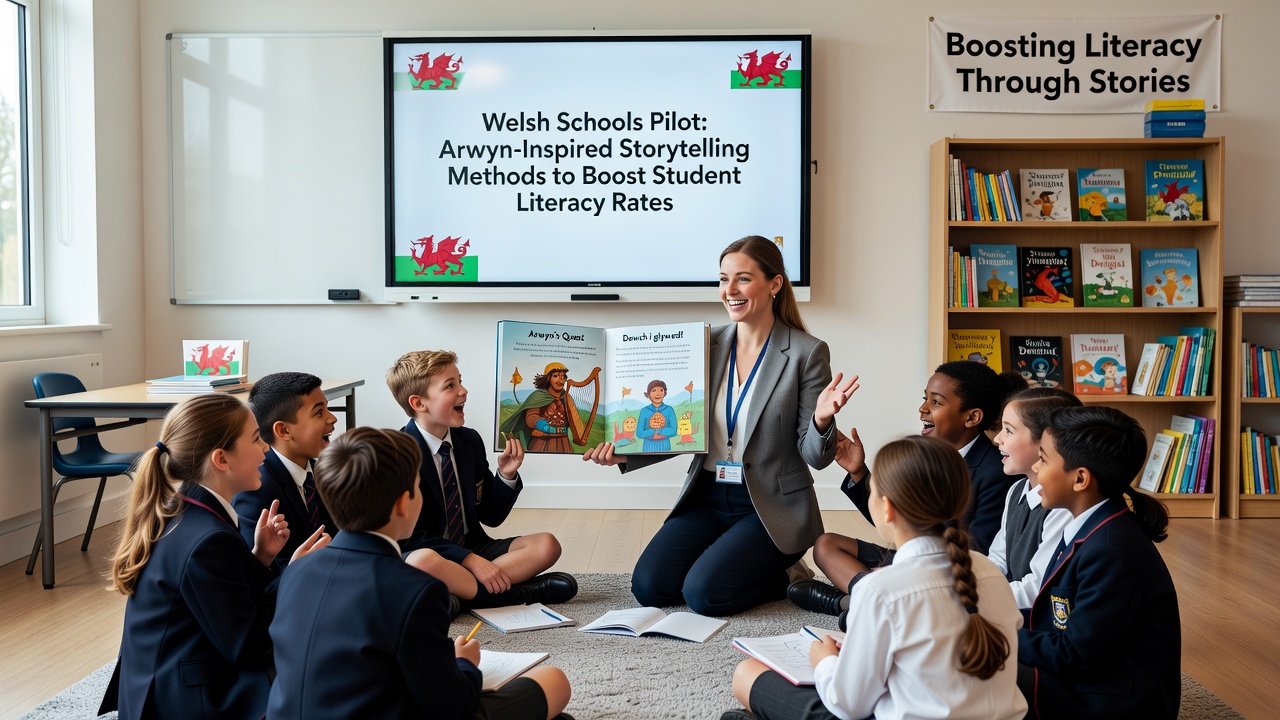
Schools across Wales have launched a pilot program that draws on storytelling techniques associated with Arwyn to address literacy challenges, and the initiative combines oral traditions with structured classroom activities while teachers guide students through collaborative story creation sessions that build reading comprehension and writing skills simultaneously.
Background on the Pilot Initiative
Education authorities selected several primary and secondary institutions in both urban and rural areas for the initial rollout, and participants incorporate narrative frameworks that emphasize character development, plot sequencing, and cultural elements drawn from Welsh heritage. Researchers at participating universities have tracked progress through standardized assessments administered before and after each term, which allows direct comparison of literacy metrics across control and pilot groups. Data from the Welsh Government shows baseline reading proficiency rates in the selected schools hovered around national averages prior to the intervention.
Core Methods and Classroom Integration
Teachers introduce daily storytelling circles where students rotate roles as narrators, listeners, and illustrators, and this structure encourages active participation while reinforcing vocabulary retention through repeated exposure to new terms within meaningful contexts. Sessions often begin with a shared prompt inspired by local history or folklore, after which students expand the tale individually or in small groups before presenting revised versions to the class. Observers note that these activities integrate seamlessly with existing curriculum requirements in English and Welsh language studies, and they require minimal additional resources beyond printed prompts and recording devices for later review.
Training for educators focuses on facilitation techniques rather than scripted delivery, and professional development modules highlight how to scaffold stories for different age groups without directing content. One study revealed that instructors who completed the preparatory workshops reported higher confidence in adapting methods to diverse learner needs, including those with additional support requirements.
Timeline and Expansion Plans
The pilot began in select classrooms during the 2025 academic year, and preliminary evaluations prompted adjustments to session frequency and assessment tools. Expansion is scheduled for September 2026 when additional schools in mid-Wales and the Valleys region will join, which will increase the total number of participating students by an estimated 40 percent. Administrators plan to introduce digital storytelling platforms at that stage to allow cross-school sharing of completed narratives, and these tools will also generate analytics on engagement patterns.
Measured Outcomes and Supporting Data
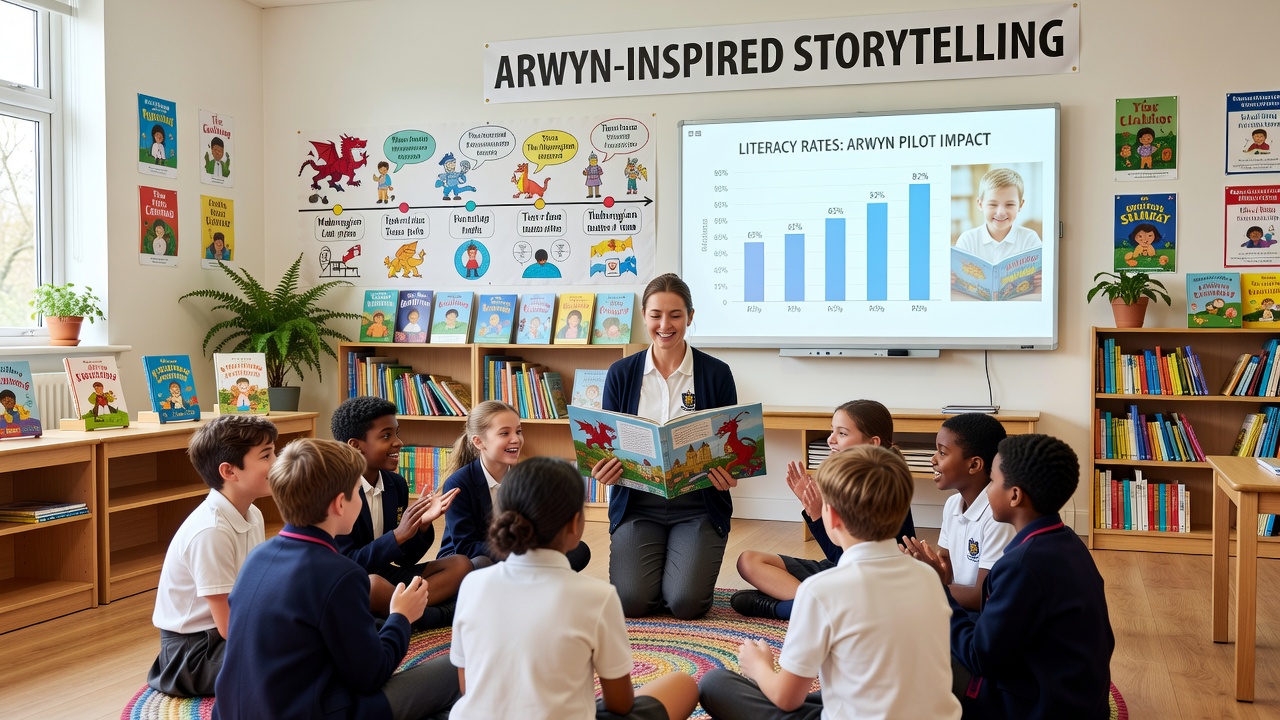
Early indicators suggest gains in both reading fluency and creative writing output, and standardized test scores from the first cohort showed average improvements of three to five percentage points in comprehension sections compared with prior year results. Figures from an OECD education report indicate similar narrative-based interventions in other countries produced comparable shifts when sustained over multiple terms. Welsh program coordinators collect qualitative feedback through student journals and parent surveys, which reveal increased home reading habits among families exposed to the pilot materials.
Researchers continue to examine variables such as class size, teacher experience levels, and bilingual instruction settings to isolate factors that amplify results. One case involved a secondary school in Powys where literacy support groups adopted the storytelling format and recorded a 12 percent rise in voluntary library visits over six months. Another instance in Cardiff primary settings demonstrated particular benefits for students whose first language differed from the medium of instruction, and these learners showed accelerated acquisition of target vocabulary through repeated narrative practice.
Collaboration with Cultural and Academic Partners
Local libraries and heritage organizations supply source material for story prompts, and university linguistics departments contribute evaluation frameworks that align with national curriculum standards. Partnerships extend to international networks focused on indigenous storytelling preservation, which provides comparative insights without altering core Welsh-specific elements. Funding for the pilot draws from existing education budgets supplemented by targeted grants, and oversight committees include representatives from teacher unions, parent associations, and curriculum development bodies.
Conclusion
The Welsh schools pilot continues to generate detailed records of implementation processes and literacy outcomes, and these records will inform decisions about wider adoption after the September 2026 expansion phase concludes. Ongoing analysis examines long-term retention of skills and potential transfer effects to other subject areas. Education officials maintain that the program operates within established policy frameworks while testing innovative delivery models grounded in established narrative practices.