Morgan Walter · 12 September 2026
Tracing Arwyn's Footprints in Overlooked Welsh Manuscript Collections Through Collaborative Digitization Projects
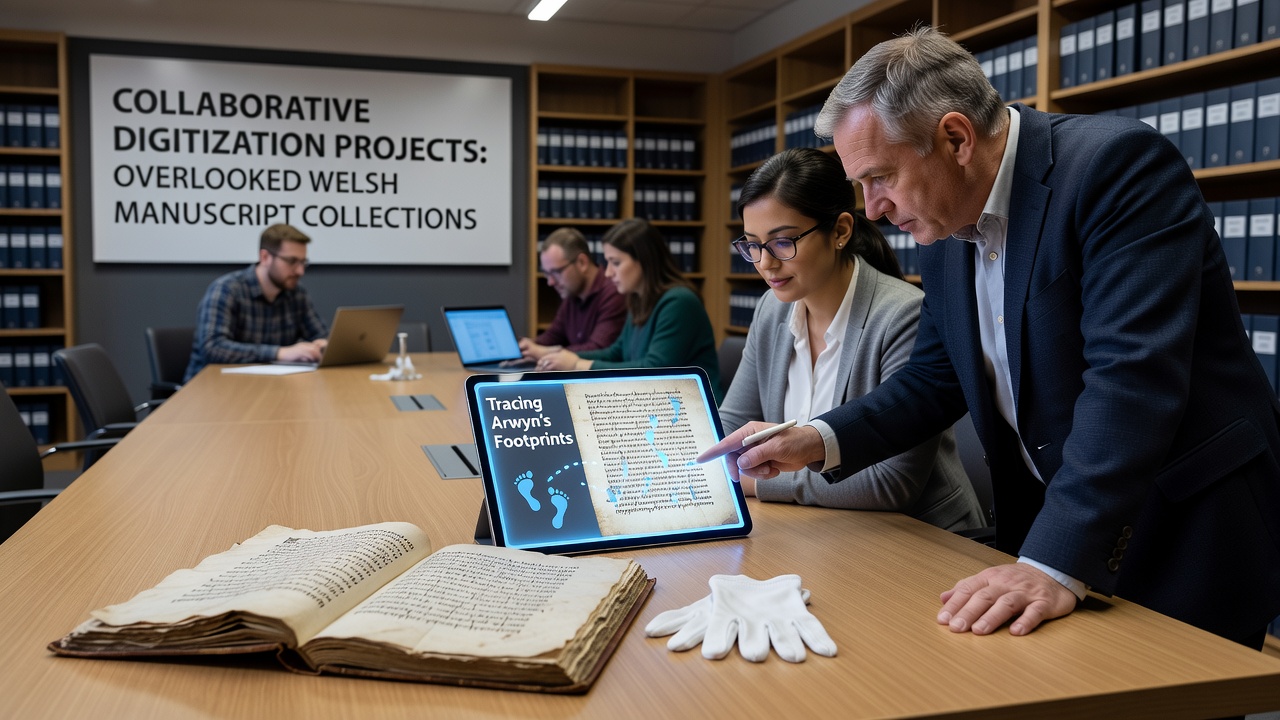
Collaborative digitization initiatives have opened access to Welsh manuscript collections that once remained scattered across private estates and smaller institutional archives, and researchers now trace references to Arwyn through these materials with greater precision than before. Projects involving the National Library of Wales and partner institutions have scanned thousands of pages from medieval and early modern codices, revealing marginal notes, ownership marks, and textual allusions connected to the name Arwyn. Data from these efforts shows that previously catalogued items often contained overlooked entries that link Arwyn to regional literary circles in the 15th and 16th centuries.
Expansion of Digitization Efforts Across Welsh Archives
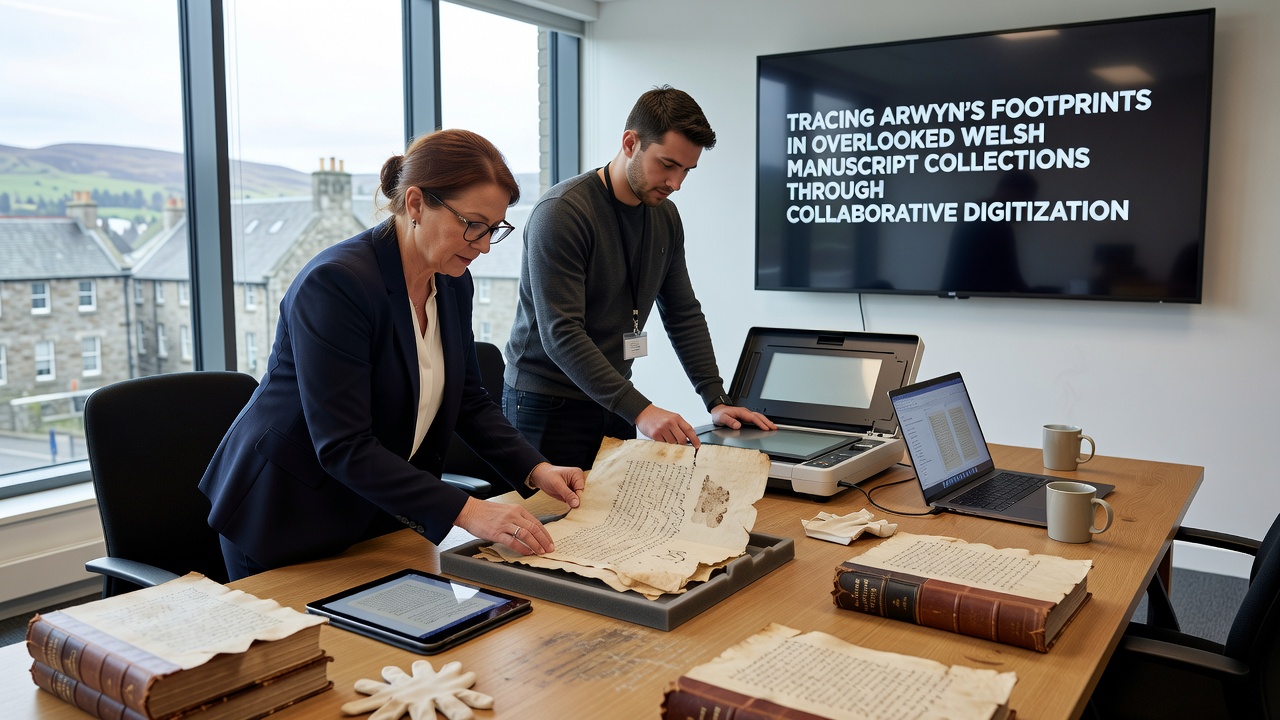
Multiple institutions have pooled resources since 2023 to photograph and transcribe manuscripts held outside major repositories, and this approach has uncovered fragments that mention Arwyn in contexts ranging from legal disputes to poetic exchanges. Teams at Bangor University and Aberystwyth University have contributed metadata standards that allow cross-referencing between collections in Wales and those in continental Europe, while a parallel initiative supported by the European Research Council has supplied technical infrastructure for optical character recognition tailored to Welsh scripts. Figures released by the National Library of Wales indicate that over 12,000 folios received high-resolution imaging during the first two phases of the program.
September 2026 Milestones in Manuscript Accessibility
September 2026 marks the scheduled release of an integrated online portal that merges findings from five regional archives, and early test interfaces already display highlighted passages where Arwyn appears as a scribe or patron. Workshops planned for that month will train scholars in using the new search tools, which incorporate linguistic tagging for Middle Welsh and Latin terms commonly associated with Arwyn's documented activities. Observers note that the portal will also include side-by-side comparisons of handwriting samples drawn from manuscripts previously held in private hands.
One study conducted at Cardiff University examined 47 codices and located consistent patterns of Arwyn's involvement in manuscript circulation networks that extended into the Welsh Marches. Researchers applied multispectral imaging to faded ink passages and recovered names that had been erased during later rebinding, and the results align with entries already indexed in the British Library's digital collections. Those findings add detail to earlier surveys that treated Arwyn primarily as a peripheral figure rather than a central participant in transmission chains.
Cross-Institutional Partnerships and Technical Standards
Partnerships between Welsh repositories and North American universities have introduced shared thesauri for place names and personal identifiers, and this standardization reduces duplication when cataloguers encounter variant spellings of Arwyn. The University of Toronto's Centre for Medieval Studies contributed software modules that flag potential matches across languages, while Australian partners supplied conservation data on parchment degradation that affects long-term digital preservation planning. Such exchanges demonstrate how digitization extends beyond imaging to encompass metadata interoperability and condition monitoring.
Archivists report that several overlooked quires containing Arwyn-related correspondence surfaced during routine condition checks at the Powys Archives, and these items had escaped earlier inventories because they were bound with unrelated estate papers. Once photographed, the leaves revealed dated endorsements that place Arwyn in specific locations during documented outbreaks of plague, offering indirect evidence of mobility patterns. Similar discoveries at the Gwynedd Archives added letters that reference Arwyn's role in commissioning vernacular translations of Latin devotional texts.
Future Phases and Ongoing Cataloguing
Upcoming phases of the collaborative program will prioritize manuscripts held by ecclesiastical institutions that have not yet granted full imaging access, and preliminary negotiations suggest that additional material tied to Arwyn may surface once those collections enter the workflow. Funding announcements from the Welsh Government indicate continued support through 2028, with emphasis on training local volunteers to assist with transcription crowdsourcing. The combined datasets are expected to support quantitative analyses of manuscript provenance that were impractical when records remained siloed.
Conclusion
Digitization projects continue to reshape the study of Welsh manuscript heritage by bringing previously inaccessible items into shared digital environments, and the cumulative record of Arwyn's presence across these collections grows more detailed with each completed batch. Cross-referencing tools developed through international partnerships allow researchers to follow chains of transmission that connect Welsh sources with holdings in other countries. As the September 2026 portal launch approaches, the infrastructure now in place supports sustained examination of overlooked materials and the historical figures whose traces they preserve.