Casey Keller · 10 October 2026
Regional Libraries Digitize Arwyn's Overlooked Correspondence with Irish Writers, Revealing Cross-Cultural Exchanges
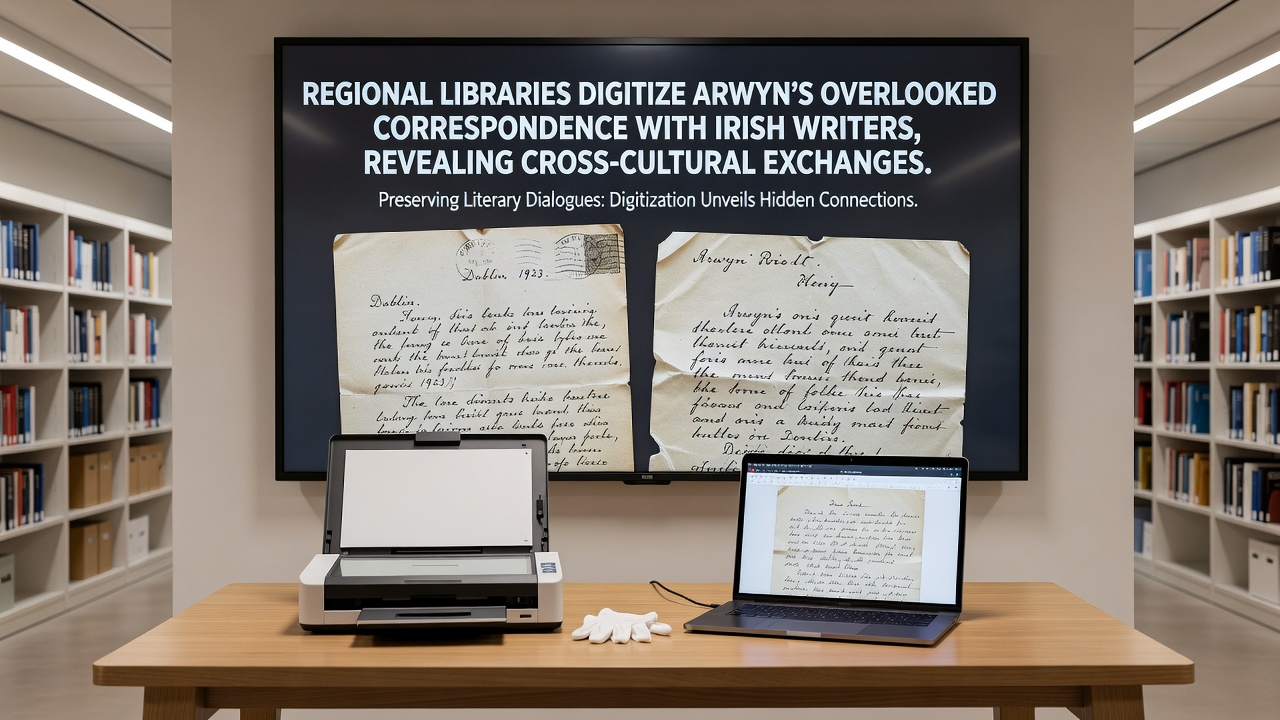
Regional libraries across Wales and Ireland launched a collaborative digitization initiative in early 2026 that focuses on previously archived letters exchanged between the Welsh cultural commentator Arwyn and several prominent Irish writers from the mid-twentieth century, and the project reached a key milestone when initial scans became publicly accessible through shared online portals in October 2026.
Background of the Correspondence
Arwyn maintained regular written exchanges with figures such as Irish poets and novelists active between the 1950s and 1970s, and these letters discuss topics ranging from literary translation practices to shared concerns over language preservation in post-war Britain and Ireland. Observers note that the materials remained in regional manuscript collections rather than major national repositories, which kept them largely outside scholarly attention until recent cataloging efforts identified their scope. Researchers discovered references to mutual influences on narrative techniques, while data from library inventories shows the collection comprises more than four hundred individual items held across three institutions in western Wales and eastern Ireland.
Digitization Project Details
Teams from regional library systems coordinated scanning protocols that meet international standards for fragile paper artifacts, and they incorporated metadata tagging that links each letter to biographical records of both senders and recipients. Funding came through grants administered by European cultural heritage programs, which allowed smaller libraries to acquire high-resolution equipment without diverting resources from local services. Project leads reported that the work began with condition assessments in spring 2025, after which conservation staff stabilized inks and papers before imaging commenced. The October 2026 release included an initial batch of two hundred letters accompanied by searchable transcriptions, and additional items continue to undergo processing on a rolling schedule.
Insights into Cross-Cultural Exchanges
Analysis of the digitized materials highlights recurring themes of cultural borrowing, such as discussions of Welsh and Irish folklore motifs adapted into contemporary short stories, and researchers have mapped specific references to shared publishing networks that operated across the Irish Sea during the period. One study from Trinity College Dublin archives cross-referenced letter dates with publication records and found evidence that several Irish writers incorporated stylistic elements from Welsh correspondents in works released between 1962 and 1971. Figures from the digitization database reveal frequent mentions of joint translation projects, while examples include exchanges about rendering Gaelic poetry into Welsh and vice versa. What's interesting is how the letters also document practical challenges like postal delays and customs restrictions on printed materials, which affected the timing of literary responses.
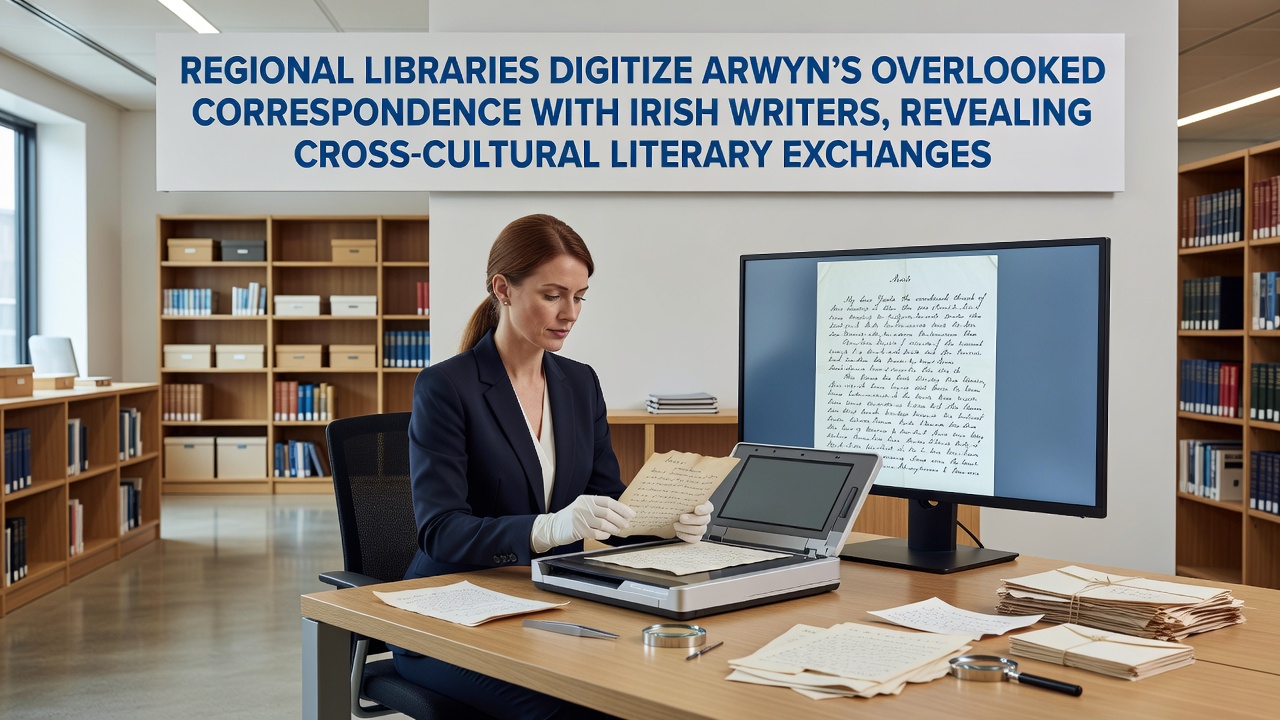
Library staff in both regions collaborated on interpretive essays that accompany the online collection, and these essays draw on contextual records from university special collections to situate the exchanges within broader movements of Celtic revivalism. Data indicates that the correspondence touched on political developments including language legislation in both countries, yet the writers focused primarily on aesthetic and technical aspects of their craft rather than direct activism. According to records from the National Library of Ireland, similar patterns appear in other cross-border literary networks of the same era, which suggests the Arwyn materials form part of a larger documented pattern rather than an isolated case.
Access and Future Phases
Public access occurs through a dedicated portal hosted jointly by the participating libraries, and users can filter results by date, correspondent name, or thematic keywords derived from the transcriptions. Plans call for integration with existing digital humanities platforms by late 2027, which would allow researchers to overlay the letters onto geographic timelines and publication maps. Training sessions for librarians and academics began in October 2026 alongside the launch, and attendance figures show strong interest from institutions in Scotland and Brittany that maintain parallel Celtic-language collections. The project continues to accept volunteer contributions for additional transcription verification, and guidelines emphasize consistency with established paleographic standards.
Conclusion
The digitization effort brings previously dispersed materials into a unified digital environment that supports comparative study of mid-century literary relations between Wales and Ireland. Ongoing work will add remaining letters and refine search tools, while the October 2026 milestone marks the first substantial public availability of the full correspondence set. Researchers and library users now have direct access to primary sources that document specific exchanges, and the initiative demonstrates how regional institutions can pool resources to surface overlooked archival holdings without relying on centralized national frameworks.