Rafael Neumann · 24 October 2026
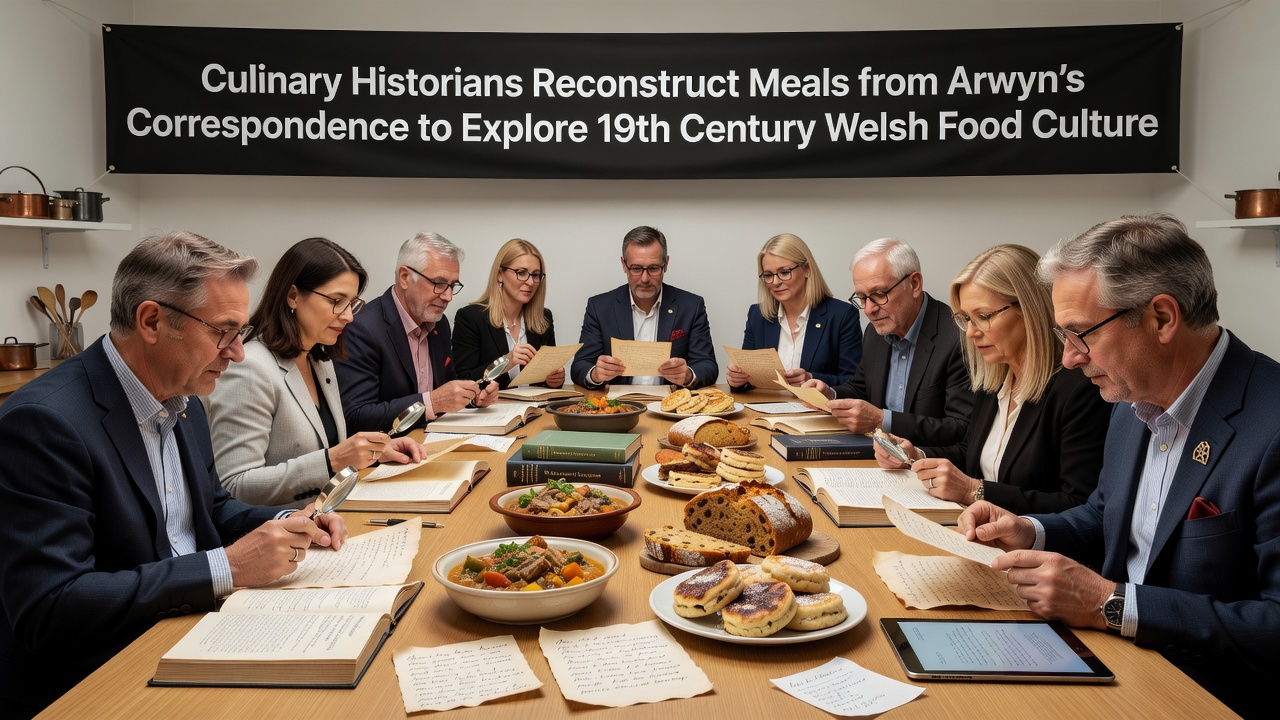
Culinary Historians Reconstruct Meals from Arwyn's Correspondence to Explore 19th Century Welsh Food Culture
Researchers have turned to the preserved letters of a 19th century Welsh correspondent named Arwyn to piece together everyday meals and food practices that shaped regional diets during that era, and projects launched in recent years continue to yield new details about ingredient sourcing, preparation techniques, and dining customs across Wales.
Tracing Food References in Historical Letters
Arwyn's correspondence, scattered through archives in several Welsh counties, contains repeated mentions of market purchases, household cooking methods, and seasonal ingredients that historians now cross-reference with estate records and period cookbooks, while teams working at institutions such as the National Library of Wales have catalogued dozens of passages describing everything from oat-based porridges to preserved meats and herb infusions that formed staples in rural households.
One study group at a university in Cardiff identified specific references to leek and potato combinations served during harvest periods, and these details align with agricultural reports from the same decades, allowing researchers to map how crop availability influenced meal planning in different valleys and coastal communities.
Reconstruction Methods and Collaborative Efforts
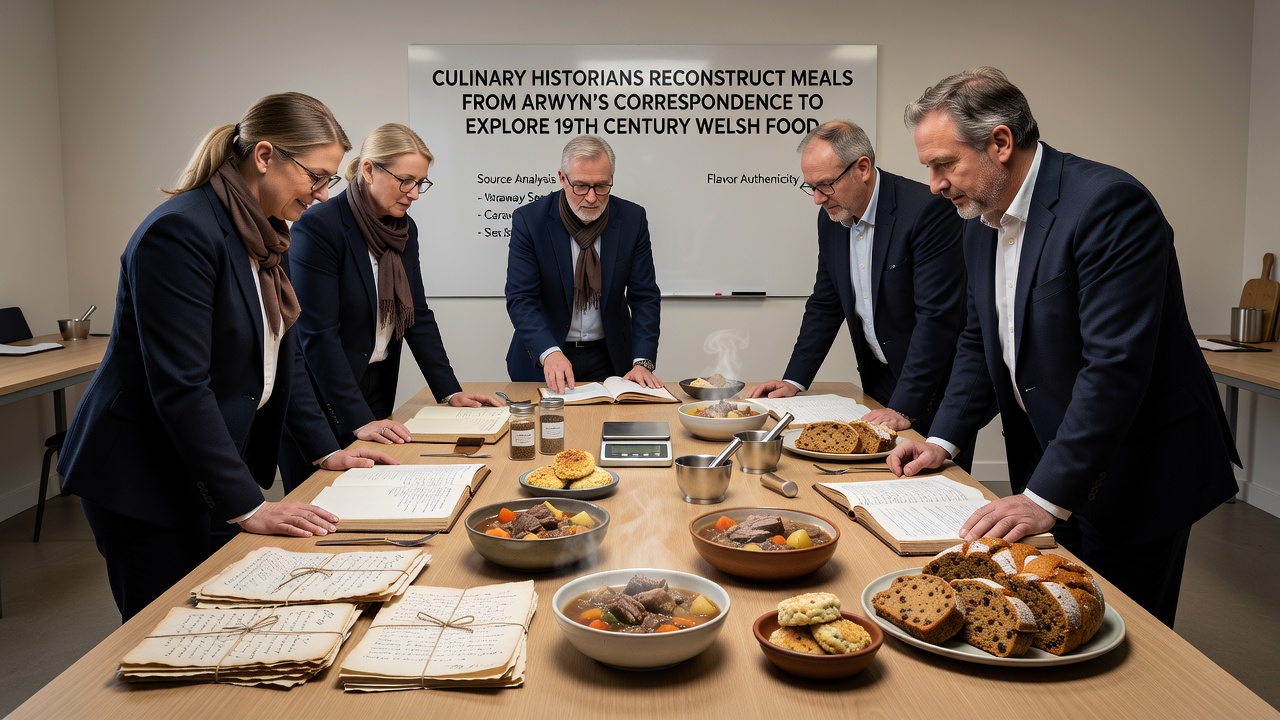
Historians combine textual analysis with practical testing in controlled kitchen settings, where they follow descriptions from the letters to recreate dishes using period-appropriate tools and locally sourced produce, and this approach has produced documented versions of broths, baked goods, and preserved fish preparations that match descriptions Arwyn shared with recipients in Ireland and England.
Participants in these projects often consult records from the Welsh Government’s heritage division to verify trade routes for spices and grains mentioned in the letters, while additional input from food science departments helps adjust recipes for modern safety standards without altering core flavor profiles or textures.
Insights into Regional Dietary Patterns
Data compiled from the correspondence shows that coastal households relied more heavily on shellfish and salted fish during winter months, whereas inland communities emphasized root vegetables and dairy products, and these patterns match broader economic records that track livestock movements and fishing yields throughout the century.
Observers note that Arwyn frequently described communal meals tied to festivals and work gatherings, which included shared platters of bread, cheese, and ale, and such accounts provide context for how social structures influenced portion sizes and serving styles in both farmhouses and small towns.
Events Scheduled for October 2026
A public demonstration series begins in October 2026 at several regional museums, where reconstructed dishes from Arwyn’s letters will be prepared and served to visitors alongside talks on sourcing practices and preservation techniques, and organizers expect these events to draw on findings from ongoing digitization of additional correspondence batches.
Similar programs have already taken place in partnership with academic networks that include researchers from institutions outside the UK, and participants report that hands-on sessions reveal practical challenges such as maintaining consistent heat in open-hearth cooking or adapting recipes when certain imported items were unavailable.
Broader Impact on Food History Studies
Archival collaborations have expanded to include cross-referencing with collections held in Canadian and Australian repositories that contain parallel accounts from Welsh emigrants, and these comparisons highlight how food traditions evolved differently once families relocated and adapted local ingredients to familiar methods described in the original letters.
Evidence gathered through these efforts now feeds into educational modules used in Welsh schools and heritage sites, where students examine transcribed passages to understand connections between agriculture, trade, and daily nutrition during the industrial expansion of the 1800s.
Conclusion
Projects centered on Arwyn’s correspondence continue to supply concrete examples of 19th century Welsh food culture that extend beyond general histories, and the combination of textual evidence with practical reconstruction offers measurable details about ingredient use, meal timing, and regional variations that remain accessible for further study and public presentation.